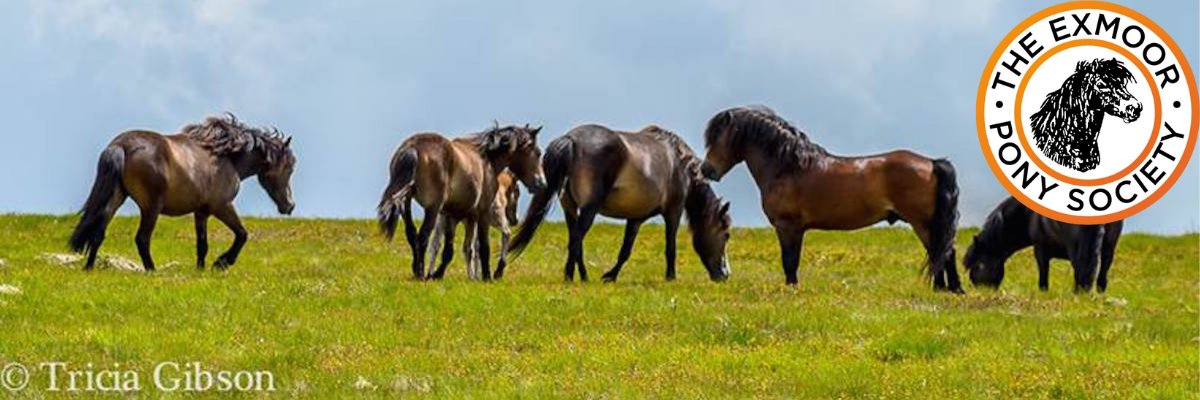
Conservation grazing and the Exmoor pony: A vital partnership for land stewardship
Who is this article for?
Exmoor pony breeders, landowners, conservationists
Conservation grazing stands at the intersection of sustainable land management, biodiversity enhancement, and the preservation of Britain’s natural and cultural heritage. And there stands our wonderful Exmoor pony, too.
The Exmoor pony is among the most effective grazers for this purpose. The Exmoor pony is a rare native breed whose contribution to the landscape stretches back millennia. This blog explores the principles of conservation grazing, the unique qualifications of the Exmoor pony, and key considerations for conservationists and breeders.
What is conservation grazing?
Conservation grazing is the targeted use of livestock to maintain and enhance habitats that depend on controlled grazing for their biodiversity. Unlike conventional agricultural grazing aimed at livestock production, conservation grazing focuses on ecological outcomes.
Grazing animals help:
- Control dominant plant species
- Create structural diversity in vegetation
- Maintain open habitats and prevent encroachment by scrub or trees
Conservationists often find that native breeds, with their hardiness and adaptability, offer distinct advantages for this type of land management.
The Exmoor pony advantage
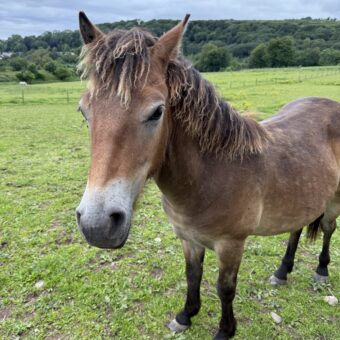
The Exmoor pony is the original off-roader – but playing a crucial role in conservation; a role that is far from new. It’s a return to their ancestral job. They have shaped landscapes like Exmoor itself for thousands of years, alongside red deer and, more recently, domestic livestock.
When traditional grazing declined in some areas, conservationists needed an alternative to skilled livestock farmers and their cattle or sheep. Enter the Exmoor pony, whose introduction to projects such as Seacombe Valley in Dorset initiated a new era in nature reserve management.
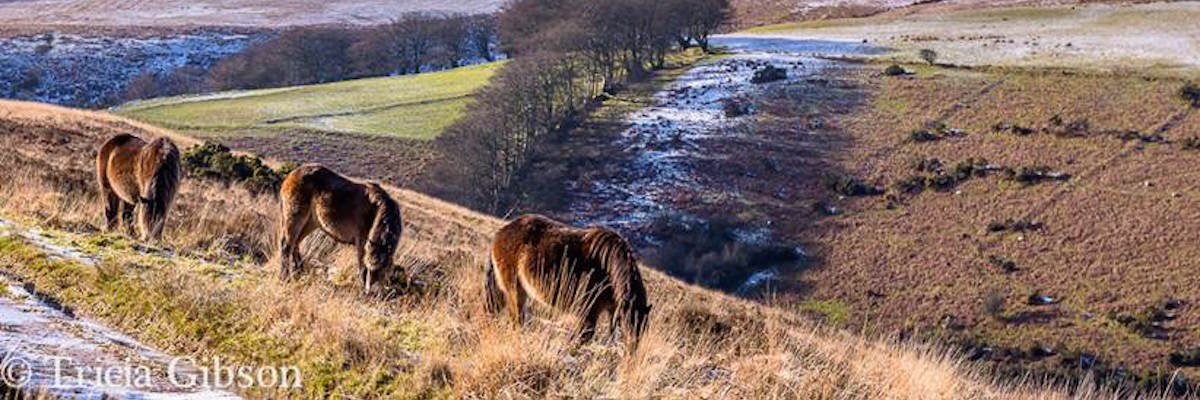
Why Exmoor ponies excel as conservation grazers
Exmoor ponies are remarkably well suited to conservation roles due to several intrinsic characteristics:
- Efficient grazing: Their incisors meet like a pair of pliers, allowing a clean bite. This helps manage tough grasses and a variety of sward types.
- Varied diet: They consume a wide range of plants across seasons, stopping any single species from dominating. Given sufficient natural habitat, they don’t require winter feeding or artificial shelter.
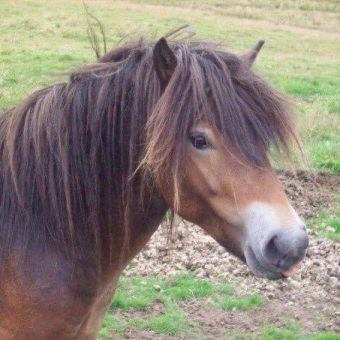
- Hardiness: Thanks to an exceptional double-layered coat, Exmoors thrive in harsh conditions, coping with heavy rain and bitter winds.
- Natural behaviour: Unless tamed, they tend to avoid close contact with people, which suits the needs of remote or public-access nature reserves.
- Educational value: Their uniform appearance and native rarity make them a draw for visitors and a valuable teaching resource.
- Genetic heritage: Maintaining satellite herds away from Exmoor itself helps conserve their rare gene pool, offering resilience against disease outbreaks.
The Rare Breeds Survival Trust (RBST) notes that native ponies, such as the Exmoor, are deeply “in tune with their habitats and highly effective at maintaining the mosaic of vegetation needed for ecosystem and species diversity”.
Considerations for using Exmoor ponies in conservation grazing
While the benefits are clear, several practical and ethical factors should be reviewed before starting a grazing project with Exmoor ponies:
- Genetic management and breed conservation
- Exmoor ponies are a recognised rare breed, with the Exmoor Pony Society’s stud book established in 1921 to safeguard their unique traits.
- Careful gene pool management is essential to avoid inbreeding and loss of genetic diversity. The size of the active breeding population remains at around 500, making each herd’s contribution significant.
- Conservation grazing projects outside Exmoor can act as insurance populations, reducing the risk of genetic bottlenecks.
- Welfare and handling
Ponies selected for projects are often semi-managed; initial handling enables crucial veterinary or farrier care without fully domesticating them.
Welfare standards must be maintained, ensuring they have access to shade, water, and are monitored for health issues.
- Ecological objectives
Match the number of ponies to the habitat’s carrying capacity and desired conservation outcomes.
Monitor impact. Too many ponies may cause overgrazing, while too few might allow unwanted plant species to dominate.
Adjustments should be made seasonally or as biodiversity targets are achieved.
- Public engagement and perception
Exmoor ponies’ charisma and rarity serve as a bridge between site managers and the public. Their presence invites conversation around native breeds, extinction risk, and the multi-faceted value of traditional land management.
Clear signage and educational materials can reduce disturbance and improve visitor experience.
- Logistics and collaboration
Many projects work with organisations like the Exmoor Pony Society or Moorland Mousie Trust, which can provide loan ponies for short- or long-term grazing. Both mares and geldings can thrive in conservation roles.
Stakeholders should also investigate funding streams, such as Higher Level Stewardship payments.
The broader importance of native breed conservation
Choosing Exmoor ponies for conservation grazing is not only about managing habitat effectively; it is a vital act of rare breed stewardship. Evidence suggests Exmoors are closely related to the ponies first to colonise Britain more than 100,000 years ago. Their survival, both in terms of numbers and genetic integrity, is intertwined with us making thoughtful, proactive choices about their ongoing role in landscape management.
Looking forward
Adaptive land management is more important than ever amid changing climate, agricultural trends and ecosystem challenges.
The Exmoor pony stands as both a symbol of Britain’s rich natural heritage and a practical tool for modern conservation. Their continued presence in our landscapes ensures biodiversity thrives – not just for today’s wildlife, but for generations to come.
If you are considering Exmoor ponies for your conservation grazing project, consult with breed societies and experienced grazing scheme managers, such as here at the Exmoor Pony Society. Their expertise ensures both the welfare of the ponies and the success of your conservation goals.
References